
《太空行动》怎么用-太空行动每个版本
2026-09-10 3465636

2026-08-03 0
在Ubuntu上快速部署OpenClaw并接入飞书的完整过程并不只看表面做法,关键还要理解相关条件、限制和后续影响。
本文记录我在 Ubuntu 22.04 服务器上从零部署 OpenClaw 并接入飞书的完整过程,包括遇到的坑和解决方法。
sudo apt update
sudo apt install -y curl
# 添加 NodeSource 仓库并安装curl -fsSL https://deb.nodesource.com/setup_lts.x | sudo -E bash -sudo apt-get install -y nodejs# 安装完成后,验证版本node -vnpm -v
实际输出:
ubuntu@gt-ubuntu22-04-cmd-v3-0-8gb-100m:~$ node -vv24.14.0ubuntu@gt-ubuntu22-04-cmd-v3-0-8gb-100m:~$ npm -v11.9.0
npm config set registry https://registry.npmmirror.com # 查询是否配置成功npm config get registry
验证输出:
ubuntu@gt-ubuntu22-04-cmd-v3-0-8gb-100m:~$ npm config get registryhttps://registry.npmmirror.com
执行安装脚本(注意:安装过程中要勾选 yes):
curl -fsSL https://openclaw.ai/install.sh | bash
完整安装日志:
ubuntu@gt-ubuntu22-04-cmd-v3-0-8gb-100m:~$ curl -fsSL https://openclaw.ai/install.sh | bash ? OpenClaw Installer The only crab in your contacts you actually want to hear from. ?✓ Detected: linuxInstall planOS: linuxInstall method: npmRequested version: latest[1/3] Preparing environment✓ Node.js v24.14.0 found· Active Node.js: v24.14.0 (/usr/bin/node)· Active npm: 11.9.0 (/usr/bin/npm)[2/3] Installing OpenClaw✓ Git already installed· Configuring npm for user-local installs✓ npm configured for user installs· Installing OpenClaw v2026.2.26✓ OpenClaw npm package installed✓ OpenClaw installed[3/3] Finalizing setup! PATH missing npm global bin dir: /home/ubuntu/.npm-global/bin This can make openclaw show as "command not found" in new terminals. Fix (zsh: ~/.zshrc, bash: ~/.bashrc): export PATH="/home/ubuntu/.npm-global/bin:$PATH"? OpenClaw installed successfully (2026.2.26)!All done! I promise to only judge your code a little bit.· Starting setup? OpenClaw 2026.2.26 (bc50708) — Ship fast, log faster.▄▄▄▄▄▄▄▄▄▄▄▄▄▄▄▄▄▄▄▄▄▄▄▄▄▄▄▄▄▄▄▄▄▄▄▄▄▄▄▄▄▄▄▄▄▄▄▄▄▄▄▄██░▄▄▄░██░▄▄░██░▄▄▄██░▀██░██░▄▄▀██░████░▄▄▀██░███░████░███░██░▀▀░██░▄▄▄██░█░█░██░█████░████░▀▀░██░█░█░████░▀▀▀░██░█████░▀▀▀██░██▄░██░▀▀▄██░▀▀░█░██░██▄▀▄▀▄██▀▀▀▀▀▀▀▀▀▀▀▀▀▀▀▀▀▀▀▀▀▀▀▀▀▀▀▀▀▀▀▀▀▀▀▀▀▀▀▀▀▀▀▀▀▀▀▀▀▀▀▀ ? OPENCLAW ? ┌ OpenClaw onboarding│◇ Security ─────────────────────────────────────────────────────────────────────────────────╮│ ││ Security warning — please read. ││ ││ OpenClaw is a hobby project and still in beta. Expect sharp edges. ││ By default, OpenClaw is a personal agent: one trusted operator boundary. ││ This bot can read files and run actions if tools are enabled. ││ A bad prompt can trick it into doing unsafe things. ││ ││ OpenClaw is not a hostile multi-tenant boundary by default. ││ If multiple users can message one tool-enabled agent, they share that delegated tool ││ authority. ││ ││ If you’re not comfortable with security hardening and access control, don’t run ││ OpenClaw. ││ Ask someone experienced to help before enabling tools or exposing it to the internet. ││ ││ Recommended baseline: ││ - Pairing/allowlists + mention gating. ││ - Multi-user/shared inbox: split trust boundaries (separate gateway/credentials, ideally ││ separate OS users/hosts). ││ - Sandbox + least-privilege tools. ││ - Shared inboxes: isolate DM sessions (`session.dmScope: per-channel-peer`) and keep ││ tool access minimal. ││ - Keep secrets out of the agent’s reachable filesystem. ││ - Use the strongest available model for any bot with tools or untrusted inboxes. ││ ││ Run regularly: ││ openclaw security audit --deep ││ openclaw security audit --fix ││ ││ Must read: https://docs.openclaw.ai/gateway/security ││ │├────────────────────────────────────────────────────────────────────────────────────────────╯│◇ I understand this is personal-by-default and shared/multi-user use requires lock-down. Continue?│ Yes│◇ Onboarding mode│ QuickStart│◇ QuickStart ─────────────────────────╮│ ││ Gateway port: 18789 ││ Gateway bind: Loopback (127.0.0.1) ││ Gateway auth: Token (default) ││ Tailscale exposure: Off ││ Direct to chat channels. ││ │├──────────────────────────────────────╯│◇ Model/auth provider│ Z.AI│◇ Z.AI auth method│ CN│◇ How do you want to provide this API key?│ Paste API key now│◇ Enter Z.AI API key│ xxx.xxxx│◇ Model configured ───────────────╮│ ││ Default model set to zai/glm-5 ││ │├──────────────────────────────────╯│◇ Default model│ zai/glm-4.7│◇ Channel status ────────────────────────────╮│ ││ Telegram: needs token ││ WhatsApp (default): not linked ││ Discord: needs token ││ Slack: needs tokens ││ Signal: needs setup ││ signal-cli: missing (signal-cli) ││ iMessage: needs setup ││ imsg: missing (imsg) ││ IRC: not configured ││ Google Chat: not configured ││ Feishu: install plugin to enable ││ Google Chat: install plugin to enable ││ Nostr: install plugin to enable ││ Microsoft Teams: install plugin to enable ││ Mattermost: install plugin to enable ││ Nextcloud Talk: install plugin to enable ││ Matrix: install plugin to enable ││ BlueBubbles: install plugin to enable ││ LINE: install plugin to enable ││ Zalo: install plugin to enable ││ Zalo Personal: install plugin to enable ││ Synology Chat: install plugin to enable ││ Tlon: install plugin to enable ││ │├─────────────────────────────────────────────╯│◇ How channels work ───────────────────────────────────────────────────────────────────────╮│ ││ DM security: default is pairing; unknown DMs get a pairing code. ││ Approve with: openclaw pairing approve││ Public DMs require dmPolicy="open" + allowFrom=["*"]. ││ Multi-user DMs: run: openclaw config set session.dmScope "per-channel-peer" (or ││ "per-account-channel-peer" for multi-account channels) to isolate sessions. ││ Docs: channels/pairing ││ ││ Telegram: simplest way to get started — register a bot with @BotFather and get going. ││ WhatsApp: works with your own number; recommend a separate phone + eSIM. ││ Discord: very well supported right now. ││ IRC: classic IRC networks with DM/channel routing and pairing controls. ││ Google Chat: Google Workspace Chat app with HTTP webhook. ││ Slack: supported (Socket Mode). ││ Signal: signal-cli linked device; more setup (David Reagans: "Hop on Discord."). ││ iMessage: this is still a work in progress. ││ Feishu: 飞书/Lark enterprise messaging with doc/wiki/drive tools. ││ Nostr: Decentralized protocol; encrypted DMs via NIP-04. ││ Microsoft Teams: Bot Framework; enterprise support. ││ Mattermost: self-hosted Slack-style chat; install the plugin to enable. ││ Nextcloud Talk: Self-hosted chat via Nextcloud Talk webhook bots. ││ Matrix: open protocol; install the plugin to enable. ││ BlueBubbles: iMessage via the BlueBubbles mac app + REST API. ││ LINE: LINE Messaging API bot for Japan/Taiwan/Thailand markets. ││ Zalo: Vietnam-focused messaging platform with Bot API. ││ Zalo Personal: Zalo personal account via QR code login. ││ Synology Chat: Connect your Synology NAS Chat to OpenClaw with full agent capabilities. ││ Tlon: decentralized messaging on Urbit; install the plugin to enable. ││ │├───────────────────────────────────────────────────────────────────────────────────────────╯│◇ Select channel (QuickStart)│ Skip for nowUpdated ~/.openclaw/openclaw.jsonWorkspace OK: ~/.openclaw/workspaceSessions OK: ~/.openclaw/agents/main/sessions│◇ Skills status ─────────────╮│ ││ Eligible: 4 ││ Missing requirements: 40 ││ Unsupported on this OS: 7 ││ Blocked by allowlist: 0 ││ │├─────────────────────────────╯│◇ Configure skills now? (recommended)│ No│◇ Hooks ──────────────────────────────────────────────────────────────────╮│ ││ Hooks let you automate actions when agent commands are issued. ││ Example: Save session context to memory when you issue /new or /reset. ││ ││ Learn more: https://docs.openclaw.ai/automation/hooks ││ │├──────────────────────────────────────────────────────────────────────────╯│◇ Enable hooks?│ Skip for nowConfig overwrite: /home/ubuntu/.openclaw/openclaw.json (sha256 f763f7d577aba2ed75a863a91e3e9a116eab6ecc856e7731972988b006426453 -> 8eac9ee80087618bf88b5f7a2f1f6bdb4b5abf5dfa646c22bf65f64e92063204, backup=/home/ubuntu/.openclaw/openclaw.json.bak)│◇ Systemd ────────────────────────────────────────────────────────────────────────────────╮│ ││ Linux installs use a systemd user service by default. Without lingering, systemd stops ││ the user session on logout/idle and kills the Gateway. ││ Enabling lingering now (may require sudo; writes /var/lib/systemd/linger). ││ │├──────────────────────────────────────────────────────────────────────────────────────────╯│◇ Systemd ───────────────────────────────╮│ ││ Enabled systemd lingering for ubuntu. ││ │├─────────────────────────────────────────╯│◇ Gateway service runtime ────────────────────────────────────────────╮│ ││ QuickStart uses Node for the Gateway service (stable + supported). ││ │├──────────────────────────────────────────────────────────────────────╯│◐ Installing Gateway service…Installed systemd service: /home/ubuntu/.config/systemd/user/openclaw-gateway.service◇ Gateway service installed.│◇ Agents: main (default)Heartbeat interval: 30m (main)Session store (main): /home/ubuntu/.openclaw/agents/main/sessions/sessions.json (0 entries)│◇ Optional apps ────────────────────────╮│ ││ Add nodes for extra features: ││ - macOS app (system + notifications) ││ - iOS app (camera/canvas) ││ - Android app (camera/canvas) ││ │├────────────────────────────────────────╯│◇ Control UI ─────────────────────────────────────────────────────────────────────╮│ ││ Web UI: http://127.0.0.1:18789/ ││ Web UI (with token): ││ http://127.0.0.1:18789/#token=2962e8f5116c63d86ea9c8224bc8d6445cce2e806ed1e183 ││ Gateway WS: ws://127.0.0.1:18789 ││ Gateway: reachable ││ Docs: https://docs.openclaw.ai/web/control-ui ││ │├──────────────────────────────────────────────────────────────────────────────────╯│◇ Start TUI (best option!) ─────────────────────────────────╮│ ││ This is the defining action that makes your agent you. ││ Please take your time. ││ The more you tell it, the better the experience will be. ││ We will send: "Wake up, my friend!" ││ │├────────────────────────────────────────────────────────────╯│◇ Token ─────────────────────────────────────────────────────────────────────────────────╮│ ││ Gateway token: shared auth for the Gateway + Control UI. ││ Stored in: ~/.openclaw/openclaw.json (gateway.auth.token) or OPENCLAW_GATEWAY_TOKEN. ││ View token: openclaw config get gateway.auth.token ││ Generate token: openclaw doctor --generate-gateway-token ││ Web UI stores a copy in this browser's localStorage (openclaw.control.settings.v1). ││ Open the dashboard anytime: openclaw dashboard --no-open ││ If prompted: paste the token into Control UI settings (or use the tokenized dashboard ││ URL). ││ │├─────────────────────────────────────────────────────────────────────────────────────────╯│◇ How do you want to hatch your bot?│ Open the Web UI│◇ Dashboard ready ────────────────────────────────────────────────────────────────╮│ ││ Dashboard link (with token): ││ http://127.0.0.1:18789/#token=2962e8f5116c63d86ea9c8224bc8d6445cce2e806ed1e183 ││ Copy/paste this URL in a browser on this machine to control OpenClaw. ││ No GUI detected. Open from your computer: ││ ssh -N -L 18789:127.0.0.1:18789 [email protected] ││ Then open: ││ http://localhost:18789/ ││ http://localhost:18789/#token=2962e8f5116c63d86ea9c8224bc8d6445cce2e806ed1e183 ││ Docs: ││ https://docs.openclaw.ai/gateway/remote ││ https://docs.openclaw.ai/web/control-ui ││ │├──────────────────────────────────────────────────────────────────────────────────╯│◇ Workspace backup ────────────────────────────────────────╮│ ││ Back up your agent workspace. ││ Docs: https://docs.openclaw.ai/concepts/agent-workspace ││ │├───────────────────────────────────────────────────────────╯│◇ Security ──────────────────────────────────────────────────────╮│ ││ Running agents on your computer is risky — harden your setup: ││ https://docs.openclaw.ai/security ││ │├─────────────────────────────────────────────────────────────────╯│◇ Shell completion ────────────────────────────────────────────────────────╮│ ││ Shell completion installed. Restart your shell or run: source ~/.bashrc ││ │├───────────────────────────────────────────────────────────────────────────╯│◇ Web search (optional) ─────────────────────────────────────────────────────────────────╮│ ││ If you want your agent to be able to search the web, you’ll need an API key. ││ ││ OpenClaw uses Brave Search for the `web_search` tool. Without a Brave Search API key, ││ web search won’t work. ││ ││ Set it up interactively: ││ - Run: openclaw configure --section web ││ - Enable web_search and paste your Brave Search API key ││ ││ Alternative: set BRAVE_API_KEY in the Gateway environment (no config changes). ││ Docs: https://docs.openclaw.ai/tools/web ││ │├─────────────────────────────────────────────────────────────────────────────────────────╯│◇ What now ─────────────────────────────────────────────────────────────╮│ ││ What now: https://openclaw.ai/showcase ("What People Are Building"). ││ │├────────────────────────────────────────────────────────────────────────╯│└ Onboarding complete. Use the dashboard link above to control OpenClaw.ubuntu@gt-ubuntu22-04-cmd-v3-0-8gb-100m:~$
安装完成后,如果执行 which openclaw 找不到命令,需要手动配置 PATH:
# 检查 openclaw 是否在 PATH 中which openclaw# 如果找不到,查看 npm 全局安装目录npm prefix -g# 查看当前 shellecho $SHELL# 如果输出 /bin/bash,使用 ~/.bashrc# 如果输出 /bin/zsh,使用 ~/.zshrc# 将 npm 全局 bin 目录添加到 PATHecho 'export PATH="$(npm prefix -g)/bin:$PATH"' >> ~/.bashrc# 重新加载配置文件source ~/.bashrc# 验证添加是否成功echo $PATH | grep npm
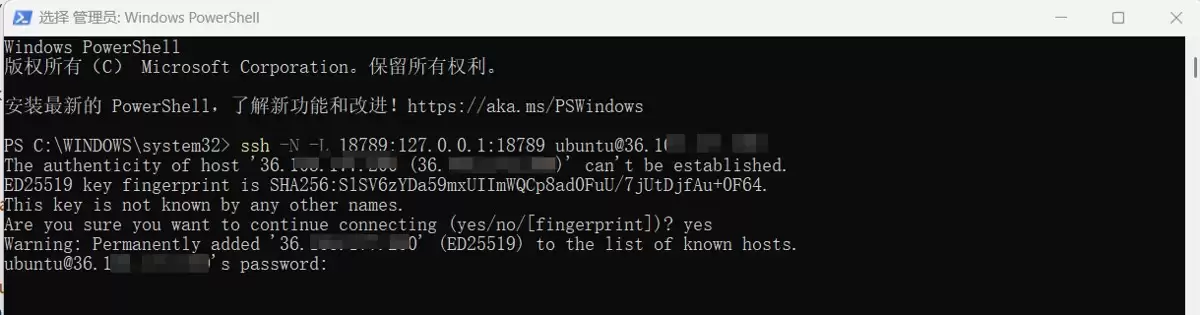
在本地电脑执行,按提示输入远程linux云主机密码即可:
ssh -N -L 18789:127.0.0.1:18789 ubuntu@你的云主机IP
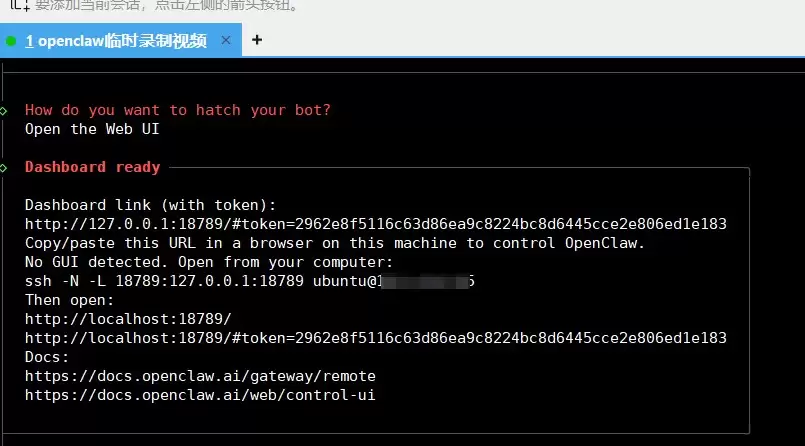
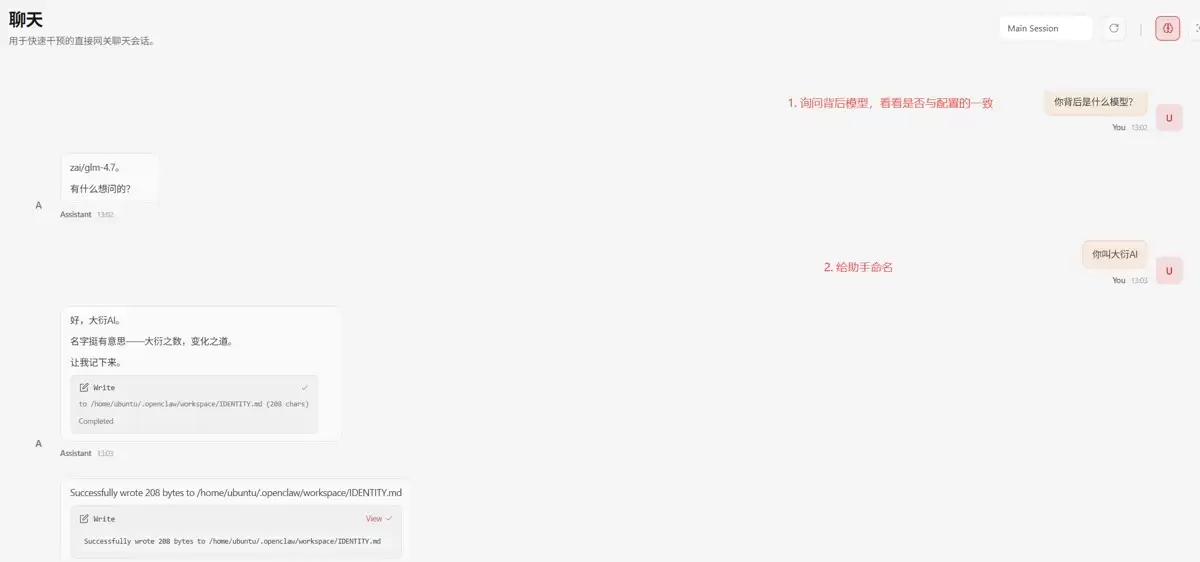
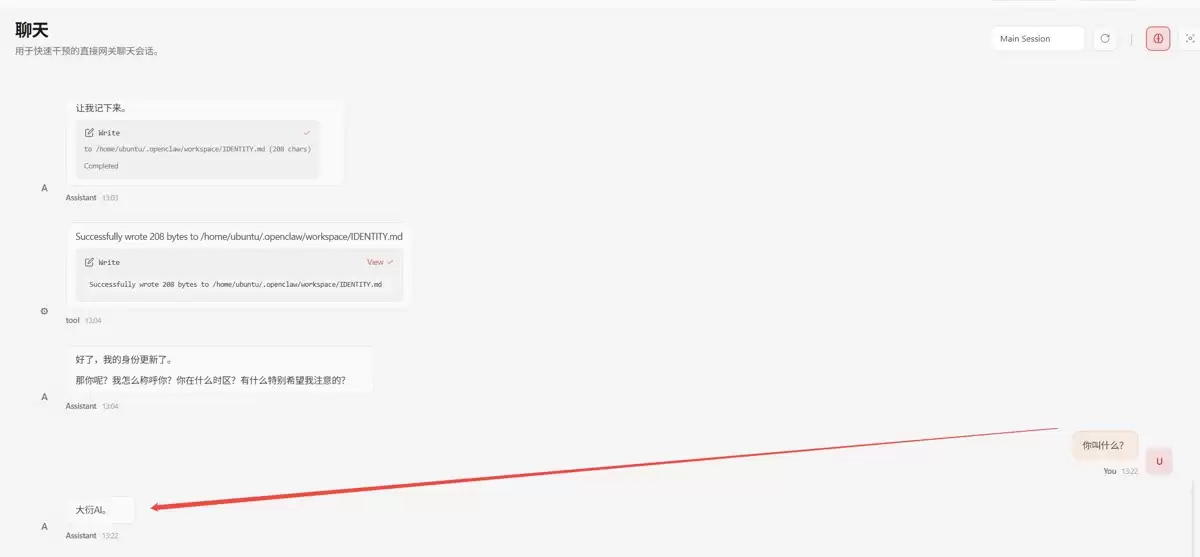
携带部署过程中生成的Dashboard link在本地进行访问,如下图:
http://localhost:18789/#token=你的token
本文详细记录了在 Ubuntu 22.04 服务器上从零部署 OpenClaw 的完整流程,包括:
OpenClaw 的功能远不止于此,接下来我将在博客和B站频道推出更多深度内容,包括: